


At Evolved Bikes, we carry the most trusted electric bike brands, Velowave, Emojo, Eunorau, Freego, and Jupiter. All in one place, commuter, fat tire, folding, mountain, trikes and dirt bikes. UL Certified Electric Bikes. Free shipping and our Evolved Price Promise.
Ride more. Spend less.
Find Your Perfect eBike. From City Streets to Mountain Peaks.


Featured Electric Bikes
-
Save $72
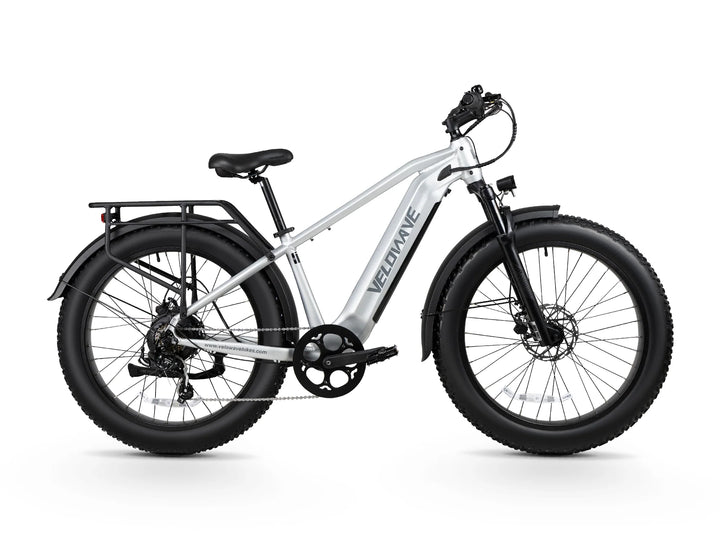
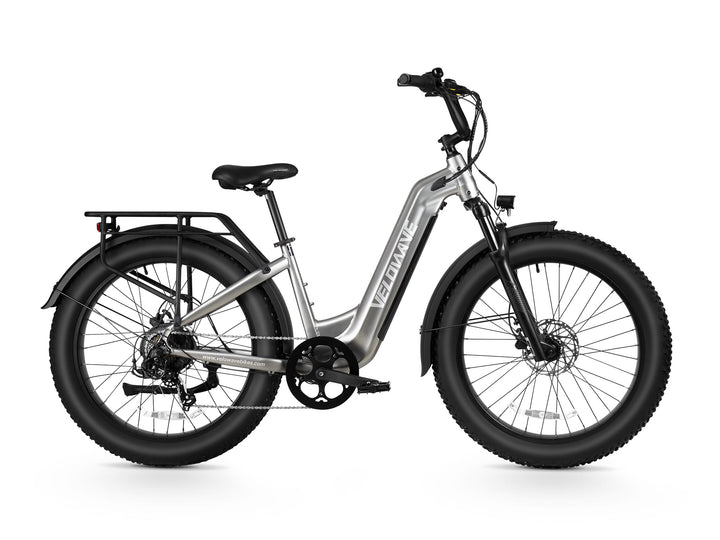 Velowave Ranger 3.0 All-Terrain Fat Tire Electric Bike | 750W Motor
All-Terrain Electric Bike
78 lbsWeight90 MilesMax Range750WPeak Power28 MPHClass 3$1,429.00$1,501.00Shop Now -
Save $105
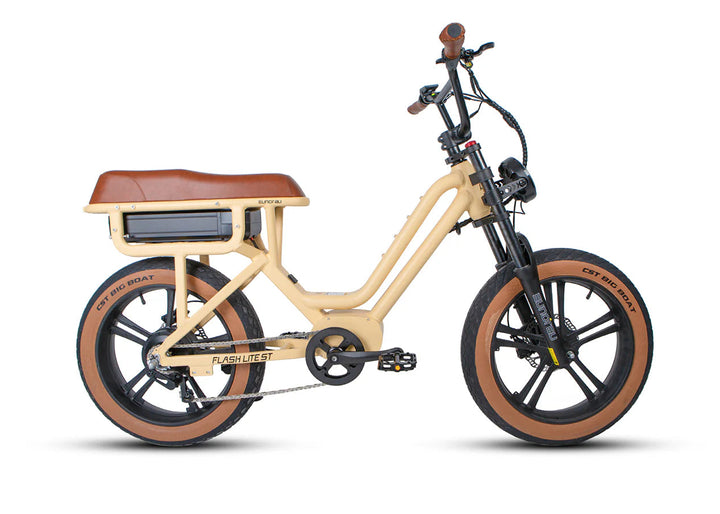
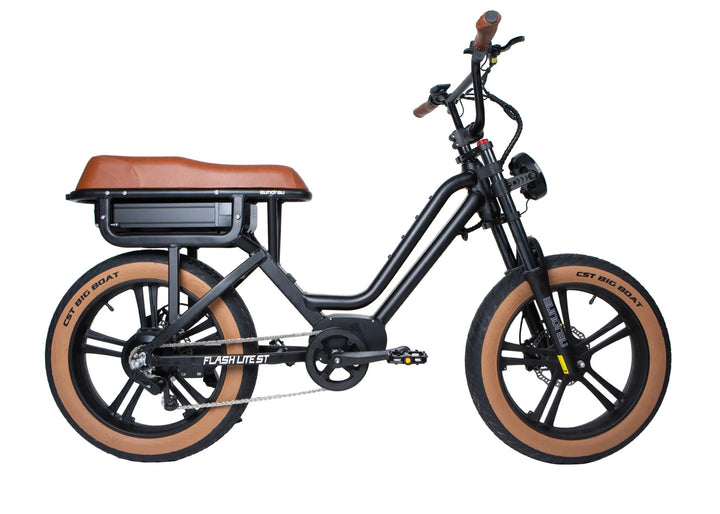 Eunorau Flash Lite ST 1.0 Electric Bike | 750W Motor, 100 Miles Range
Commuter Electric Bike
82 lbsWeight100 MilesMax Range750WPeak Power20 MPHClass 2$2,089.00$2,194.00Shop Now -
Save $200
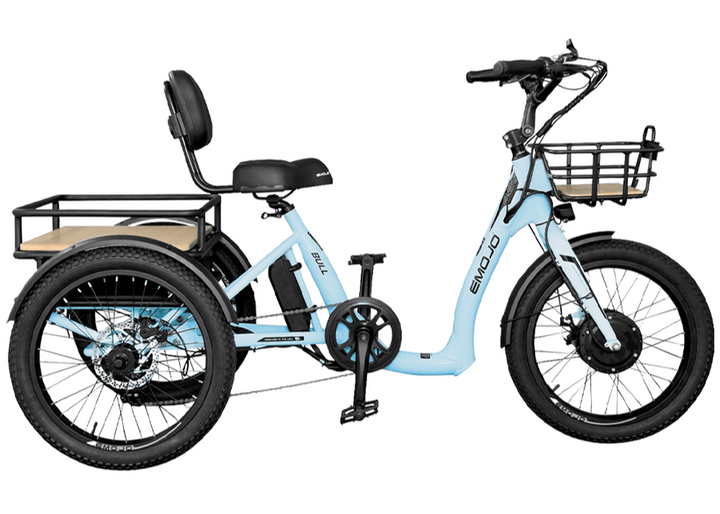
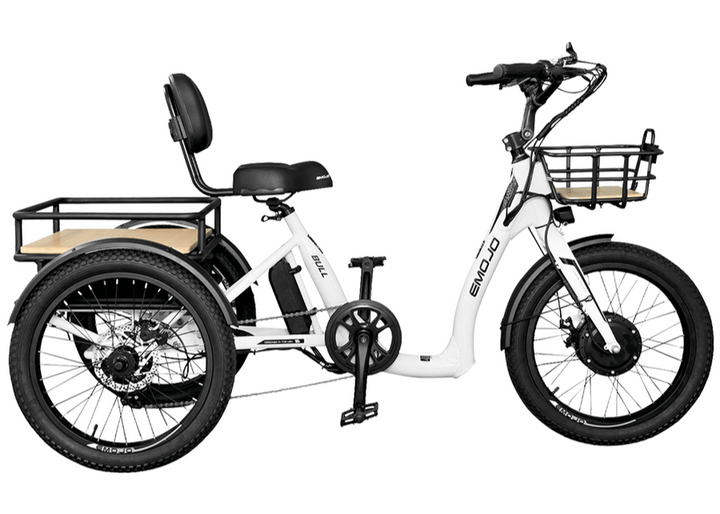 Emojo Bull Fat Tire Electric Trike | 500W Motor, 80+ Miles
UL2849 Cert. Electric Trike
80 lbsWeight100 MilesMax Range500WPeak Power20 MPHClass 2$2,199.00$2,399.00Shop Now -
Save $165
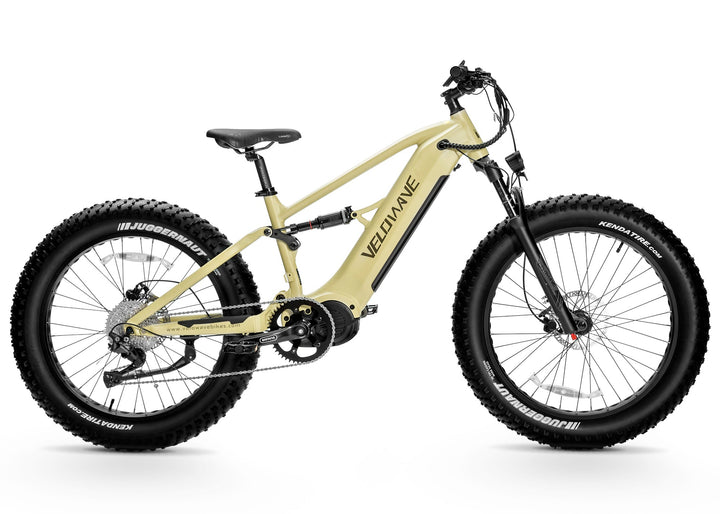
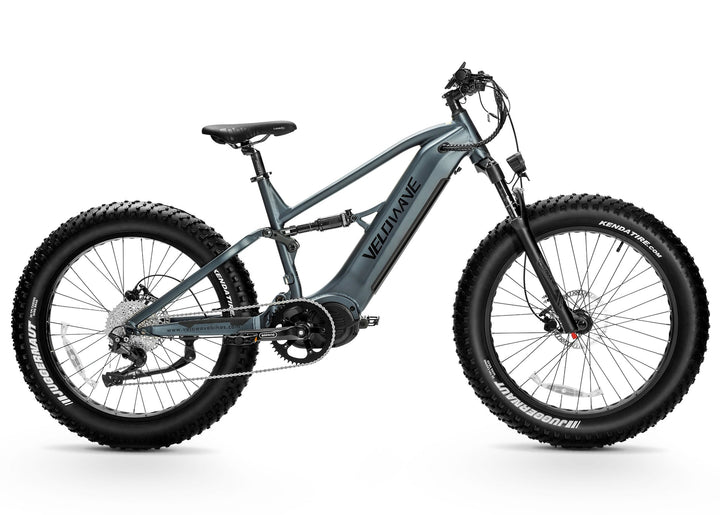 Velowave Brawny XM Mountain Electric Bike | 1000W motor
Electric Mountain Bike
82 lbsWeight75 MilesMax Range1000WPeak Power37 MPHClass 3$3,299.00$3,464.00Shop Now -
Save $72
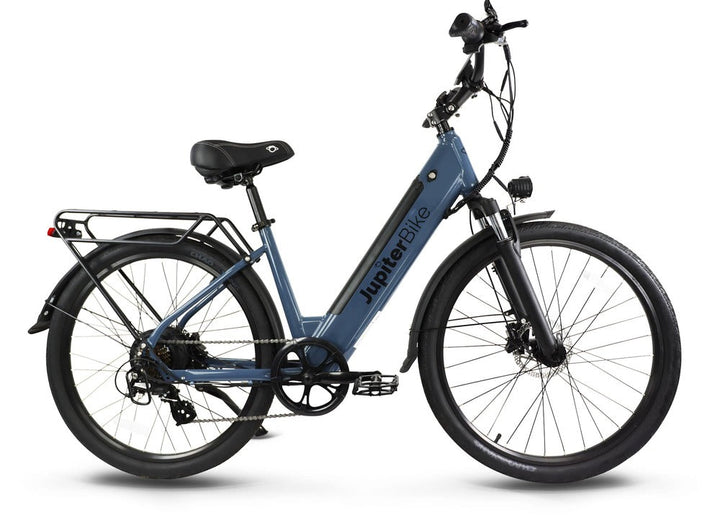
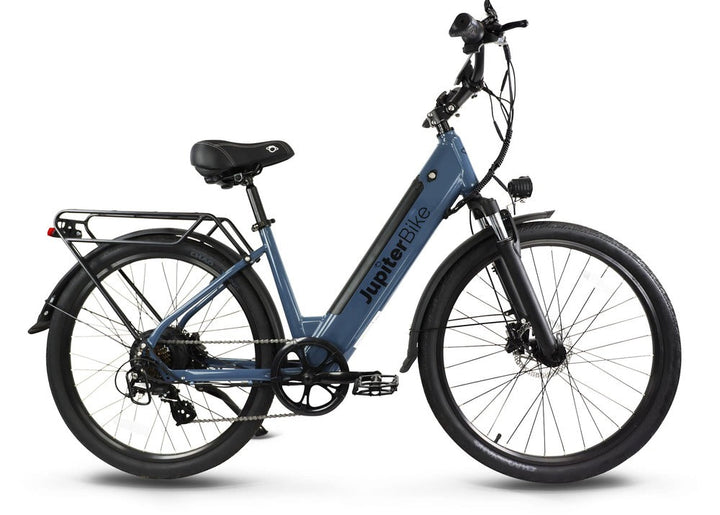 Jupiter Journey Step Through eBike | 500W Motor, 50 Miles
Electric Commuter Bike
70 lbsWeight50 MilesMax Range500WPeak Power20 MPHClass 2$1,429.00$1,501.00Shop Now -
Save $66
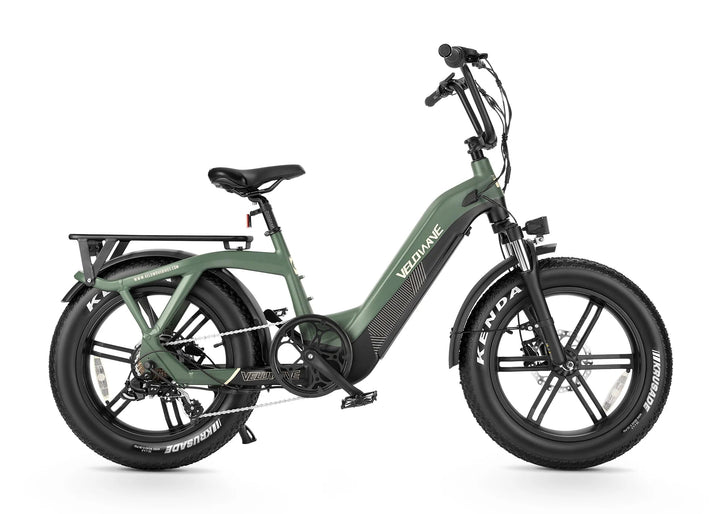
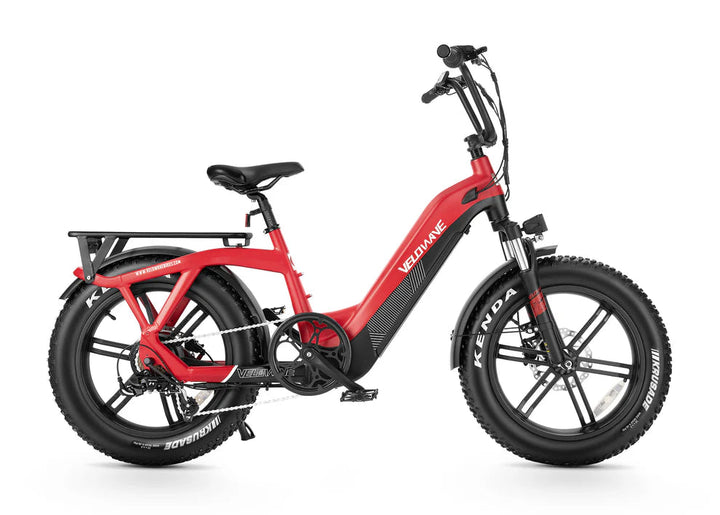 Velowave Pony Compact Step-Thru Electric Bike | 750W Motor, 40 Miles
Electric Commuter Bike
79 lbsWeight40 MilesMax Range750WPeak Power25 MPHClass 3$1,319.00$1,385.00Shop Now -
Save $200
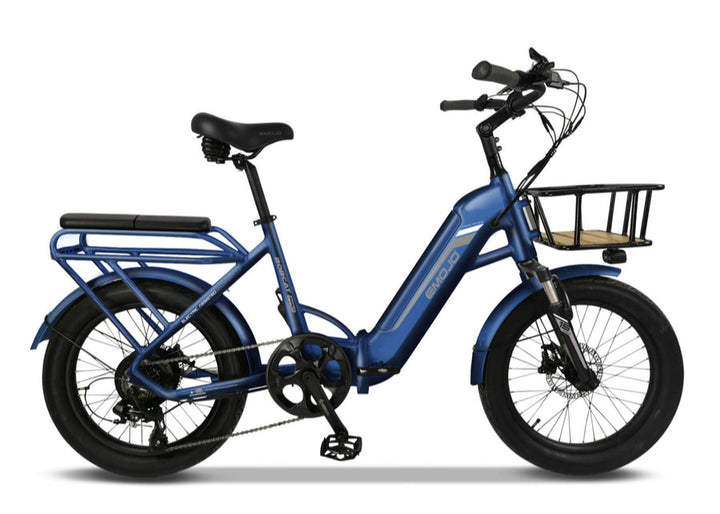
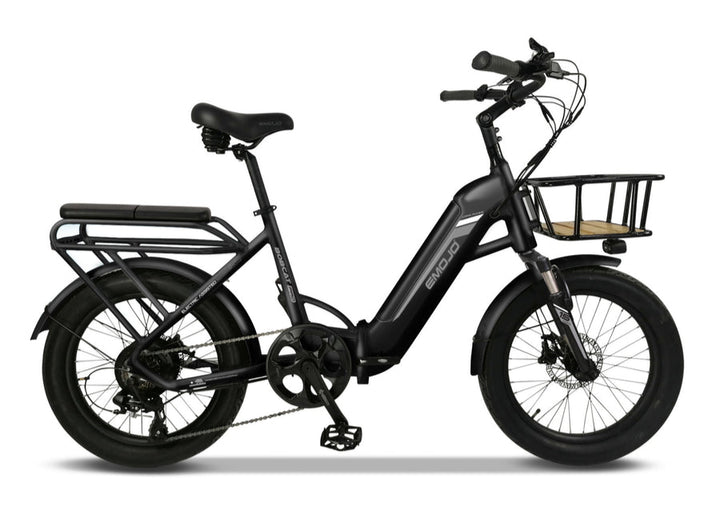 Emojo Bobcat Pro Foldable Electric Bike | 500W Motor, 60+ Miles
Foldable Commuter Electric Bike
70 lbsWeight65 MilesMax Range500WPeak Power20 MPHClass 2$1,979.00$2,179.00Shop Now -
Save $220
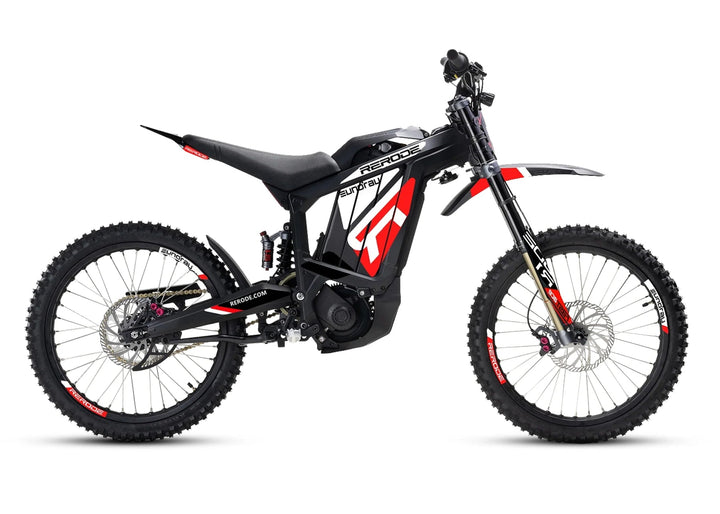
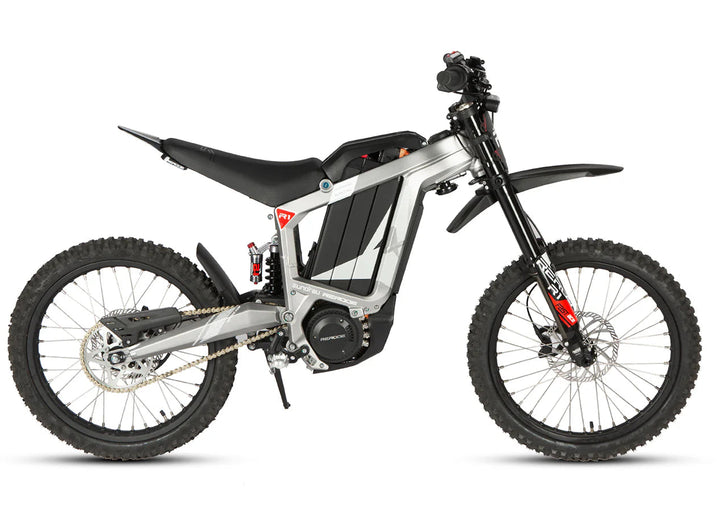 Eunorau R1 Electric Dirt Bike | 4000W Motor, 55 MPH, 75 Miles Range
Electric Dirt Bike
130 lbsWeight75 MilesMax Range4000WPeak Power55 MPHClass 5$4,399.00$4,619.00Shop Now
Electric Bike FAQs
Electric Bike Frequently Asked Questions (FAQs)
Are electric bikes worth the investment?
Electric bikes are worth it for most riders who plan to use them regularly. Unlike a standard bicycle, an eBike removes the barriers that stop people from riding like hills, distance, sweat, and fitness level, making it genuinely practical for commuting, errands, and recreation. When you factor in fuel savings, parking costs, and gym memberships you no longer need, most eBike owners recoup the cost within 12–18 months of regular use. At Evolved Bikes, our prices start under $1,000, and every bike comes with free shipping and our Evolved Price Promise, so you're getting maximum value from day one.
What is the best electric bike for commuting?
The best commuting eBike depends on your route and how you ride. For paved city streets and bike paths, a Class 2 or Class 3 commuter eBike with a step-through frame, integrated lights, and a rear rack is ideal, it's comfortable, practical, and easy to mount. If your commute involves hills, gravel paths, or mixed terrain, a fat tire eBike gives you the stability and traction to handle varied conditions. For riders who need to store the bike in an office or apartment, a folding eBike is the most convenient option. As a rule of thumb, look for at least 500W of motor power, 40+ miles of range, and a UL-certified battery for daily commuting reliability.
What are the three-classes of electric bikes?
The three-class system defines electric bikes based on speed and motor function. Class 1 eBikes are pedal-assist only and max out at 20 mph, Class 2 include a throttle and also top out at 20 mph, while Class 3 are pedal-assist bikes that reach up to 28 mph. Your eBike class affects where you can ride, helmet rules, and local legal requirements.
How do I choose between a Class 1, Class 2, and Class 3 electric bike?
The right class comes down to where you ride and how much assistance you want. Class 1 is pedal-assist only up to 20 mph — the most widely permitted class, accepted on almost all bike paths, trails, and bike lanes. It's the best choice if you want to ride in national parks, rail trails, or areas with strict eBike rules. Class 2 adds a throttle so you can get motor power without pedaling, also capped at 20 mph — ideal for riders who want the option to cruise without effort, or who have physical limitations that make constant pedaling difficult. Class 3 is pedal-assist up to 28 mph with no throttle, making it the fastest legal class for road and bike lane use — the top choice for commuters who want to keep up with traffic or cover longer distances quickly. When in doubt, a Class 2 bike gives you the most flexibility: you get throttle convenience AND broad trail access at a speed that works for most riders.
How far can an electric bike go on a single charge?
The e-bike range typically varies between 25 to 80+ miles depending on the battery capacity, rider weight, and terrain. Using a higher pedal-assist level or the throttle exclusively will decrease the total distance, while pedaling more can extend your trip significantly.
Do I need a license or insurance to ride an electric bike?
In most U.S. states, you do not need a driver's license, vehicle registration, or insurance to ride a Class 1 or Class 2 electric bike, they are treated similarly to regular bicycles under the law. Class 3 eBikes (up to 28 mph) have slightly stricter rules in some states, such as minimum age requirements or mandatory helmet use. Electric dirt bikes and high-powered off-road models operate under different regulations depending on where you ride them. Laws vary by state, county, and trail system, so it's always worth checking your local regulations before you ride. A good starting point is the PeopleForBikes eBike law database, which tracks regulations state by state.
How long does an electric bike battery last?
Most lithium-ion e-bike batteries are designed to last between 800 to 1,000 full charge cycles, which usually equates to 3 to 5 years of regular use. To maximize your battery lifespan, avoid leaving it at 0% for long periods and store it in a cool, dry place.
Can I ride my electric bike in the rain?
Most high-quality e-bikes are water-resistant, meaning they can handle light rain and splashes. However, they are not waterproof; you should never submerge an e-bike in water or use a pressure washer to clean it, as this can damage the sensitive electrical components.
What is the difference between a Hub Motor and a Mid-Drive Motor?
A hub motor is located in the wheel (usually the rear) and is generally more affordable and great for commuting. A mid-drive motor is located near the pedals, providing a more balanced feel and better performance for steep hills and off-road trails because it leverages the bike's gears.
How do I maintain my e-bike?
Regular e-bike maintenance is similar to a standard bicycle. You should regularly check tire pressure, keep the chain lubricated, and ensure the bolts are tight. Additionally, keep your firmware updated if your bike has a smart display and check your brake pads more frequently due to the higher speeds and weight of e-bikes.


